

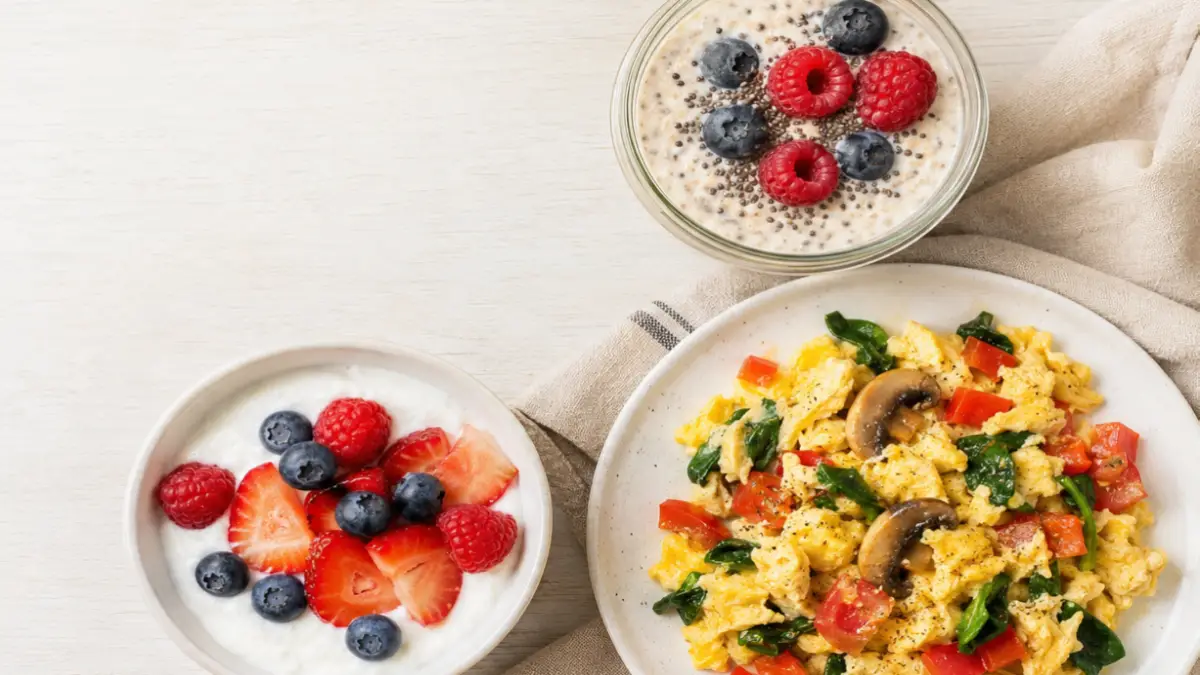
Trying to lose weight does not mean you have to begin every morning hungry.
A satisfying breakfast built around protein, fiber, and minimally processed foods may help control hunger and make it easier to avoid impulsive snacking later in the day. Research reviews suggest that a protein-rich breakfast can reduce appetite and subsequent food intake, although breakfast alone is not a magic solution for weight loss. Your overall eating habits still matter most.
The seven high-protein breakfasts below are simple, flexible, and made with familiar ingredients. You can adjust the portions to match your nutritional needs and weight-loss goals.
Why Eat More Protein at Breakfast?
Protein takes longer to digest than many refined carbohydrates. This can help you feel satisfied after eating instead of becoming hungry again an hour later.

A review of protein-rich breakfast studies found that these meals may suppress appetite and reduce how much people eat later in the day. Other research suggests that protein can influence appetite-related hormones and improve feelings of fullness. (PubMed, PubMed)
That does not mean you need an oversized plate of bacon, sausage, and cheese. A balanced breakfast should also include foods such as vegetables, fruit, or whole grains.
This follows the same practical, balanced approach discussed in our top 10 weight loss tips for women: choose nourishing foods you can realistically continue eating.
1. Greek Yogurt with Berries and Nuts
Plain Greek yogurt is one of the easiest breakfast foundations. It provides protein without requiring any cooking.
Add:
- Fresh or frozen berries
- A small handful of walnuts or almonds
- One tablespoon of chia seeds
- Cinnamon for extra flavor
Choose plain yogurt when possible. Many flavored varieties contain substantial added sugar. If plain yogurt tastes too tart, add a small amount of fruit or a light drizzle of honey.
Berries add sweetness and fiber, while nuts and chia seeds contribute healthy fats. Because nuts are calorie-dense, use a modest portion instead of pouring directly from the package.
2. Vegetable Egg Scramble
Eggs make it easy to turn leftover vegetables into a filling breakfast.
Scramble two eggs with one or two additional egg whites, then add vegetables such as:
- Spinach
- Mushrooms
- Bell peppers
- Tomatoes
- Onions
Top the scramble with salsa, herbs, or a small amount of cheese. Serve it with one slice of whole-grain toast or a piece of fruit if you want additional carbohydrates.
This breakfast also works well when your goal is improving body composition rather than simply lowering the number on the scale. Pairing good nutrition with strength training can help support the approach described in our lose fat, gain muscle diet and workout plan.
Timesaving tip: Chop several days’ worth of vegetables at once and store them in the refrigerator.
3. Cottage Cheese Breakfast Bowl
Cottage cheese is not limited to lunch or a side dish. Its mild flavor works with both sweet and savory ingredients.
For a sweet bowl, add:
- Sliced peaches, berries, or apple
- Cinnamon
- Chopped walnuts
- A spoonful of ground flaxseed
For a savory bowl, add:
- Cherry tomatoes
- Cucumber
- Black pepper
- Fresh herbs
- A small drizzle of olive oil
Compare labels when shopping because sodium and added ingredients can vary among brands. Reduced-fat cottage cheese can be a useful option, but the best choice is one that fits your needs and tastes good enough to eat consistently.
4. Protein-Rich Overnight Oats
Traditional oatmeal is nutritious, but a bowl made mostly from oats and sweet toppings may not keep everyone satisfied for long. Adding a meaningful source of protein creates a more balanced meal.
Combine the following in a covered container:
- Rolled oats
- Plain Greek yogurt
- Milk or unsweetened soy milk
- Chia seeds
- Berries
- Cinnamon
Refrigerate the mixture overnight. In the morning, stir it and add a little more liquid if necessary.
You can also mix in a suitable protein powder, but it is not required. Greek yogurt and soy milk already contribute protein. If you use a supplement, check the serving size and ingredient list instead of assuming that more is automatically better.
5. Egg and Avocado Breakfast Wrap
A breakfast wrap can be convenient without becoming a giant restaurant-style burrito.
Fill a whole-grain tortilla with:
- Scrambled eggs or egg whites
- Spinach
- Diced tomatoes
- Salsa
- A few slices of avocado
You can also add black beans for more protein and fiber.
Avocado is nutritious, but it is also energy-dense. A few slices provide plenty of flavor and texture without overwhelming the meal.
Wrap the finished breakfast in foil if you need something portable. You can prepare several wraps ahead of time and refrigerate or freeze them for busy mornings.
6. Berry Protein Smoothie
Smoothies can be helpful when you need a fast breakfast, but they can also become surprisingly high in calories when loaded with juice, sweetened yogurt, nut butter, and multiple servings of fruit.
For a more balanced smoothie, blend:
- Plain Greek yogurt or unsweetened soy milk
- Frozen berries
- A handful of spinach
- Chia seeds or ground flaxseed
- Ice and water as needed
Optional additions include a modest portion of protein powder or nut butter.
Whole fruit is usually preferable to fruit juice because it retains more fiber. Fiber, protein, and portion awareness help distinguish a sensible smoothie from a large liquid dessert.
For additional smoothie ideas and considerations, see our review of The Smoothie Diet for weight loss.
7. Quick Breakfast Plate with Eggs and Fruit
Not every breakfast needs a recipe.
A simple plate can include:
- Two hard-boiled eggs
- One piece of fresh fruit
- A slice of whole-grain toast
- A small amount of peanut or almond butter
Boil several eggs in advance so breakfast takes only a minute to assemble. This combination provides protein, fiber, healthy fat, and carbohydrates without complicated preparation.
It is also easy to adjust. Replace the toast with leftover roasted potatoes, substitute cottage cheese for the eggs, or add raw vegetables if you prefer savory foods in the morning.
How to Make These Breakfasts Work for Weight Loss
A food does not automatically cause weight loss merely because it contains protein. Portions, total food intake, sleep, activity, stress, medications, and individual health needs can all affect body weight.
Use these simple guidelines:
Include protein and produce
Build breakfast around a protein source, then add fruit or vegetables. This creates a more balanced meal than relying on pastries, sweetened cereal, or juice alone.
Watch the extras
Nuts, nut butter, cheese, avocado, granola, and cooking oils can be nutritious. They can also add substantial calories when portions grow unnoticed.
Limit added sugar
Start with unsweetened foods and add sweetness yourself when needed. This gives you more control than beginning with heavily sweetened yogurt, oatmeal, or cereal.
Prepare ingredients ahead of time
Keep hard-boiled eggs, washed fruit, chopped vegetables, or prepared overnight oats ready in the refrigerator. The most effective breakfast is often the one that is convenient enough to eat consistently.
Choose a sustainable approach
You do not need to eat breakfast simply because someone says it is required. Some people are naturally hungry in the morning, while others prefer eating later.
If you do eat breakfast, make it satisfying and nutritionally useful. The USDA recommends emphasizing nutrient-dense foods from the major food groups rather than building a diet around one supposedly perfect food. (USDA MyPlate)
Start with One Better Breakfast
You do not need to prepare all seven meals this week.
Choose the breakfast that looks easiest, buy the necessary ingredients, and try it a few times. Once it becomes familiar, add another option.
Small improvements you can repeat will usually serve you better than a strict plan you abandon after several days.
Health disclaimer: This article provides general educational information and is not medical or personalized nutritional advice. Consult a qualified healthcare professional before making substantial dietary changes, particularly if you have diabetes, kidney disease, food allergies, or another medical condition.
Discover more from Diets & Weight Loss Plans
Subscribe to get the latest posts sent to your email.