

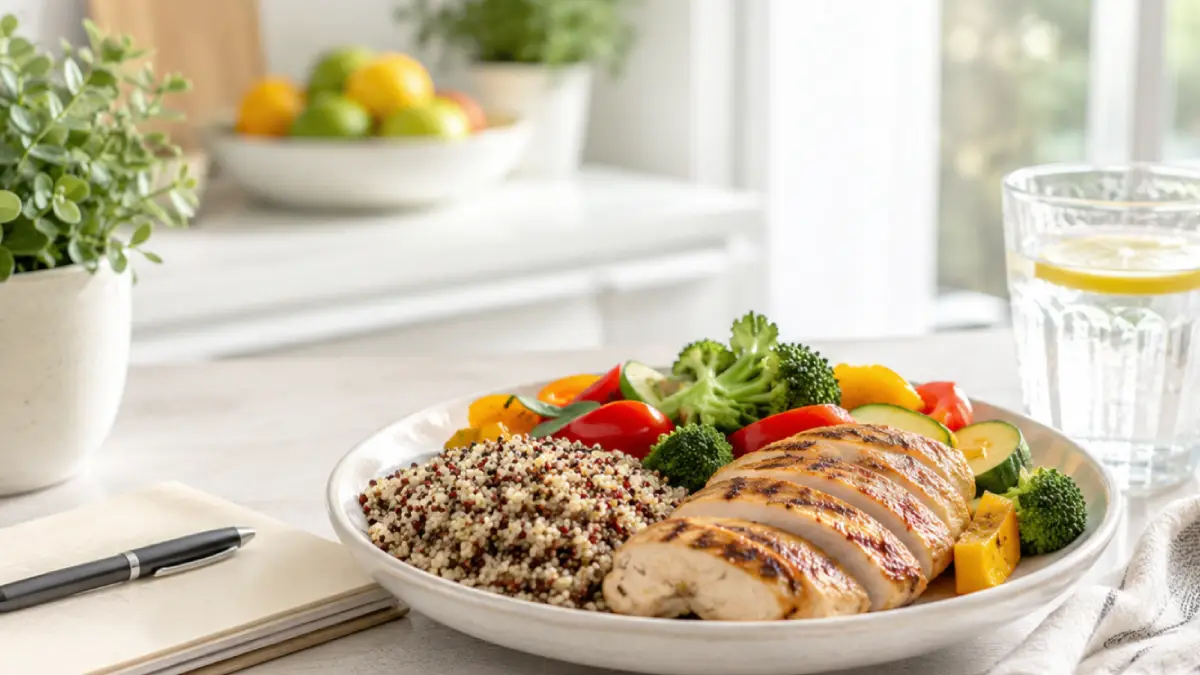
If you have ever started a diet with excitement only to quit a week or two later, you are not alone. Most people do not struggle because they lack willpower. They struggle because the plan is too strict, too complicated, or too different from how they actually live.

The best weight loss plan is not always the fastest one. It is the one you can follow long enough to get results.
A simple approach starts with three basic ideas: eat more satisfying meals, reduce the foods that make overeating easy, and create habits you can repeat most days.
Start With Your Plate
One of the easiest ways to improve your diet is to stop thinking only about calories and start thinking about your plate.
A balanced meal usually includes:
- A source of protein
- Vegetables or fruit
- A fiber-rich carbohydrate
- A small amount of healthy fat
This combination helps you feel fuller and more satisfied than a meal made mostly of refined carbs or snack foods.
For example, instead of having just toast for breakfast, you might have eggs with fruit and whole-grain toast. Instead of a plain bowl of pasta, you might add grilled chicken, vegetables, and a smaller portion of pasta.
The goal is not perfection. The goal is better balance.
Choose Foods That Help You Feel Full
Many people try to lose weight by simply eating less. That can work for a short time, but hunger usually catches up.
A better strategy is to eat foods that naturally help with fullness. Protein, fiber, and water-rich foods can make meals more satisfying.
Good choices include:
- Eggs
- Greek yogurt
- Chicken, turkey, fish, or lean meat
- Beans and lentils
- Oatmeal
- Vegetables
- Fruit
- Potatoes or sweet potatoes
- Whole grains
- Nuts in reasonable portions
This does not mean you can never enjoy pizza, desserts, or restaurant meals. It simply means your regular meals should be built around foods that support your goal instead of fighting against it.
Do Not Chase Extreme Speed
Fast weight loss is tempting, especially when you see dramatic claims online. But rapid weight loss often comes from water loss, severe restriction, or plans that are hard to maintain.
A more realistic goal for many people is slow and steady progress. Even small changes can make a difference over time.
Instead of asking, “How much weight can I lose this week?” ask, “What can I repeat this week?”
That question changes everything.
Try the “One Upgrade” Method
You do not need to overhaul your entire diet overnight. In fact, doing too much at once is one of the biggest reasons people quit.
Try making one upgrade at a time.
Here are a few examples:
- Replace sugary drinks with water, unsweetened tea, or zero-calorie drinks.
- Add protein to breakfast.
- Eat one extra serving of vegetables per day.
- Use a smaller plate for evening snacks.
- Plan one simple lunch you can repeat.
- Take a 10-minute walk after dinner.
One upgrade may not sound exciting, but small habits are powerful because they are repeatable.
Build a Simple Day of Eating
Here is what a realistic weight loss day might look like:
Breakfast: Greek yogurt with berries and a small handful of nuts
Lunch: Turkey or chicken salad wrap with vegetables
Snack: Apple with peanut butter or cottage cheese
Dinner: Grilled chicken, roasted vegetables, and a baked potato
Optional treat: A small dessert or snack that fits your day
This is not a magic menu. It is simply an example of balanced eating. You can adjust it based on your preferences, budget, schedule, and health needs.
Watch the “Invisible Calories”
Some of the easiest calories to overlook come from drinks, sauces, oils, snacks, and oversized portions.
Common examples include:
- Fancy coffee drinks
- Sugary beverages
- Large servings of salad dressing
- Cooking oils used heavily
- Mindless handfuls of chips or nuts
- Late-night snacks eaten out of habit
You do not have to eliminate these completely. Just becoming aware of them can help you make better choices.
Make Room for Real Life
A weight loss plan has to survive birthdays, holidays, busy workdays, family dinners, and stressful weeks.
That is why an all-or-nothing mindset can be so damaging. One higher-calorie meal does not ruin your progress. One missed workout does not mean you failed.
The people who succeed long term are usually not perfect. They simply get back on track quickly.
A helpful rule is: never let one off-plan meal turn into an off-plan week.
The Bottom Line
The best weight loss plan is simple, realistic, and repeatable.
Focus on balanced meals. Eat more protein and fiber. Reduce mindless snacking. Move your body in ways you can maintain. Most importantly, avoid extreme plans that you know you cannot follow for long.
You do not need a perfect diet to lose weight.
You need a plan you can live with.
Discover more from Diets & Weight Loss Plans
Subscribe to get the latest posts sent to your email.